This post is also available in: Dutch (below)
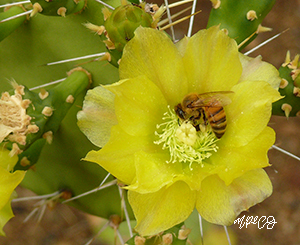
Communication can take place in many ways. People will do it mostly by means of sound, often hyper-enthusiastic. Some animals babble as well, but most communication in nature is through colour or odour. Using colour and shape a flower will transmit a clear message to a bee: “I have tasty nectar for you!” The bee will lovingly fall for this trick, will travel from flower to flower, and so the plant gets its way, fertilization is a fact.
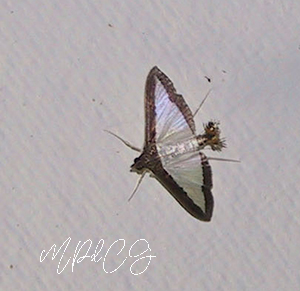
Butterflies are the champions in communication. They are often beautifully coloured, but many butterflies can also perceive ultraviolet light. If you illuminate them with ultraviolet light, then you can observe just how spectacular the patterns on the wings appear. The reason for this visual extravaganza: selecting the perfect partner, of course! Smell also works well, especially over long distances. Just take notice of the moths under a lamp on the porch during evening hours. Either they will sit with hairy bums up in the air (the ladies busy secreting attractants, so called pheromones), or they frantically wave their plume-like antennae from side to side (the gentlemen looking for a suitable lady). Partner-selection in action. Humans are not much different. Sweaty odours repel, but expensive perfumes will often lead to pair bonding, especially on beaches or in a nightclub!’, ‘Perfume: the ultimate communication tool‘.

Ecologie in het kort: Communiceren in de natuur
Communiceren kan op vele manieren. Mensen doen dat vooral met geluid, en dat vaak hyper-enthousiast. Dieren kletsen ook, maar de meeste communicatie in de natuur vindt plaats via kleur of geur. Een bloemetje zend via kleur en vorm een boodschap uit naar de bij: ik heb lekkere nectar voor je! De bij trapt daar maar al te graag in, gaat dus van bloem tot bloem, en zo krijgt de plant haar zin; bevruchting is een feit.
Vlinders zijn kampioenen in communicatie. Ze zijn vaak prachtig van kleur, maar veel vlindersoorten kunnen ook ultraviolet licht waarnemen, en zou je ze met ultraviolet licht beschijnen, dan zie je pas hoe spectaculair de patronen op de vleugels zijn. De reden: partnerkeuze natuurlijk! Met geur gaat het ook goed, vooral over lange afstanden. Kijk ’s avonds maar eens naar de motjes onder de lamp op de porch. Òf ze zitten met een pluimachtig kontje omhoog (de dames die lokstof uitscheiden, zogenaamde feromonen), òf ze zitten met hun pluimachtige antennes te zwaaien (de heren op zoek naar een geschikte dame). Wederom partnerkeuze aan het werk. De mens is niet veel anders. Zweetlucht stoot af, maar dure geurwatertjes leiden vaak tot paarvorming, vooral op stranden of in een nightclub!’, ‘Parfum: het ultieme communicatiemiddel